


Sacramento
Coloma
Hwy 50, exit Shingle Rd to Hwy 49
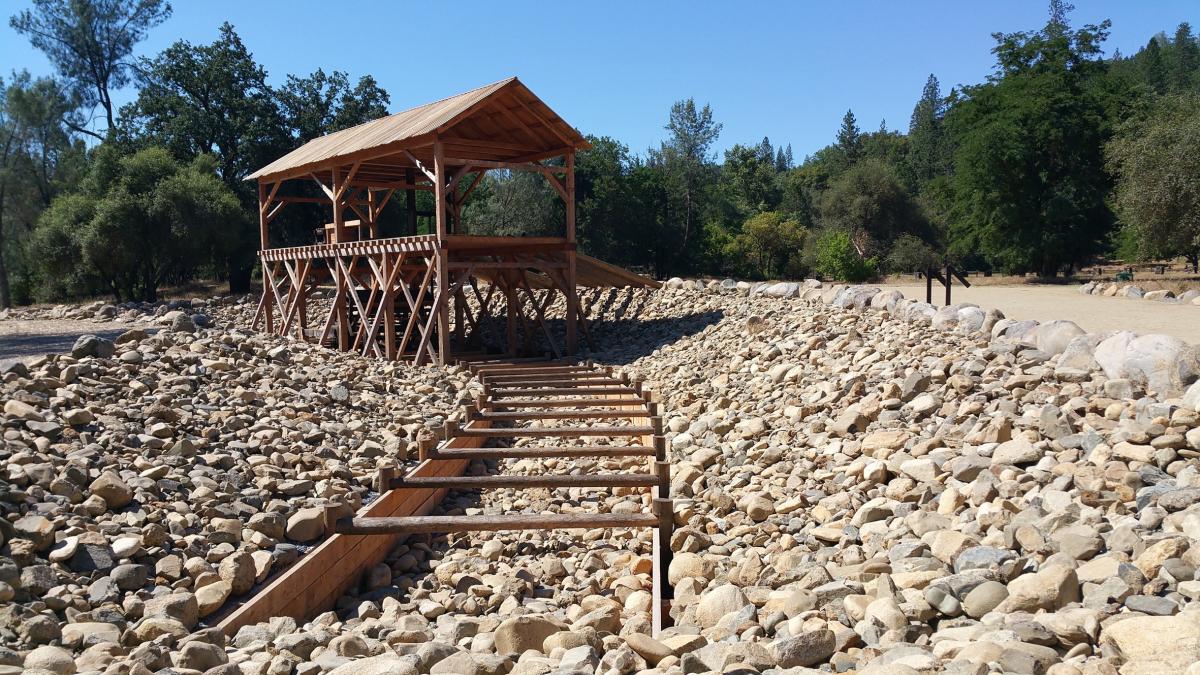
Coloma is the location of Marshall Gold Discovery State Park, where gold was discovered in 1848. The area around Coloma was built up by one of America’s first families of freed enslaved people, Nancy and Peter Gooch. They bought 80 acres of land in 1858 and would eventually own 429 acres in Coloma. Today the orchards they built occupy only two acres of land on the 576 acres of the park.
St. Andrews African Methodist Episcopal Church
2131 8th St, Sacramento
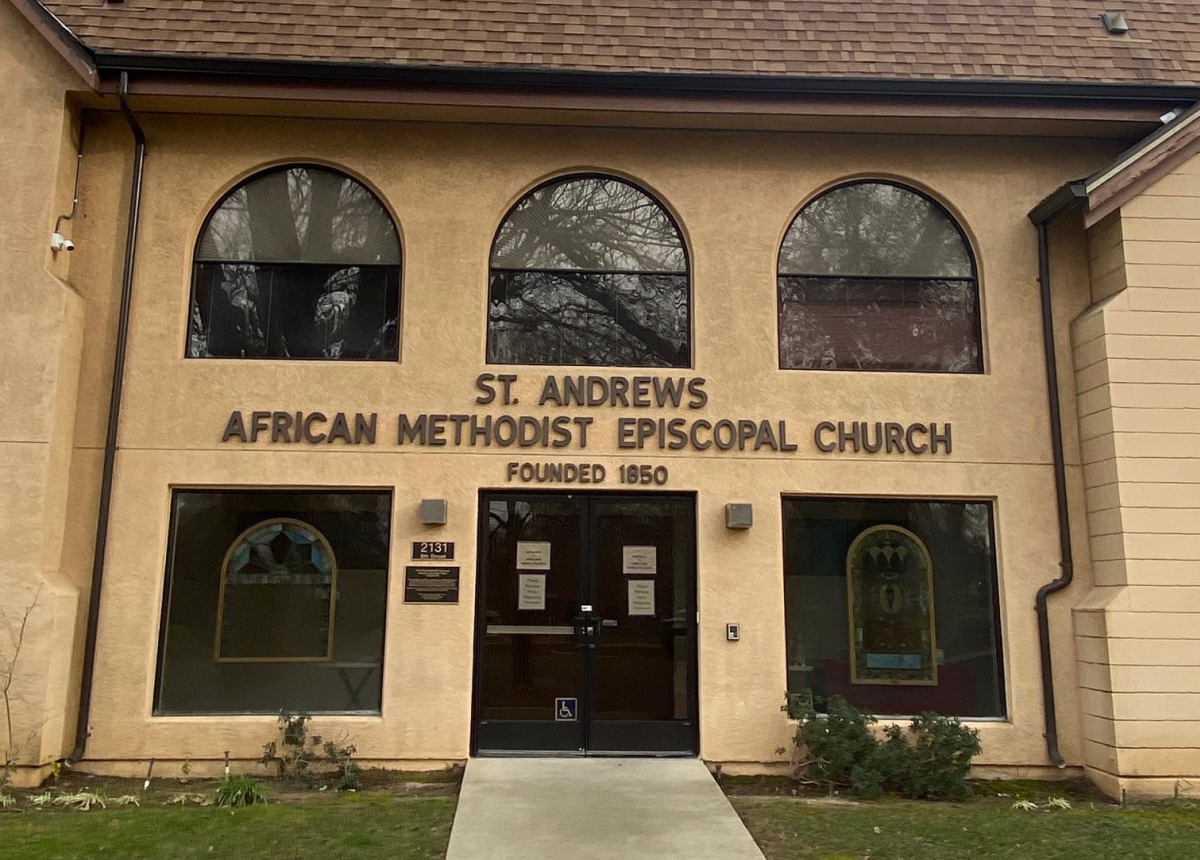
The oldest historically Black church west of the Mississippi, St. Andrews AME was established at the time of the Gold Rush. Between 1855 and 1865, the church hosted three of the four California Colored Citizens’ Conventions, which were organized to “illustrate the economic progress Black Californians had made during their short residency in the state and to highlight a number of civil rights grievances, including the inability of African American males to vote.”

Sacramento Black Joy
Black culture thrives in Sacramento, and everyone is invited to experience the joy found among and with the people, places, and spaces that make up Black Sacramento.
Read More
Sacramento Black History
You need not go far to learn about the ways Black Americans helped shape the Sacramento region.
Read MoreOakland
Delilah Beasley House
705 34th Street, Oakland
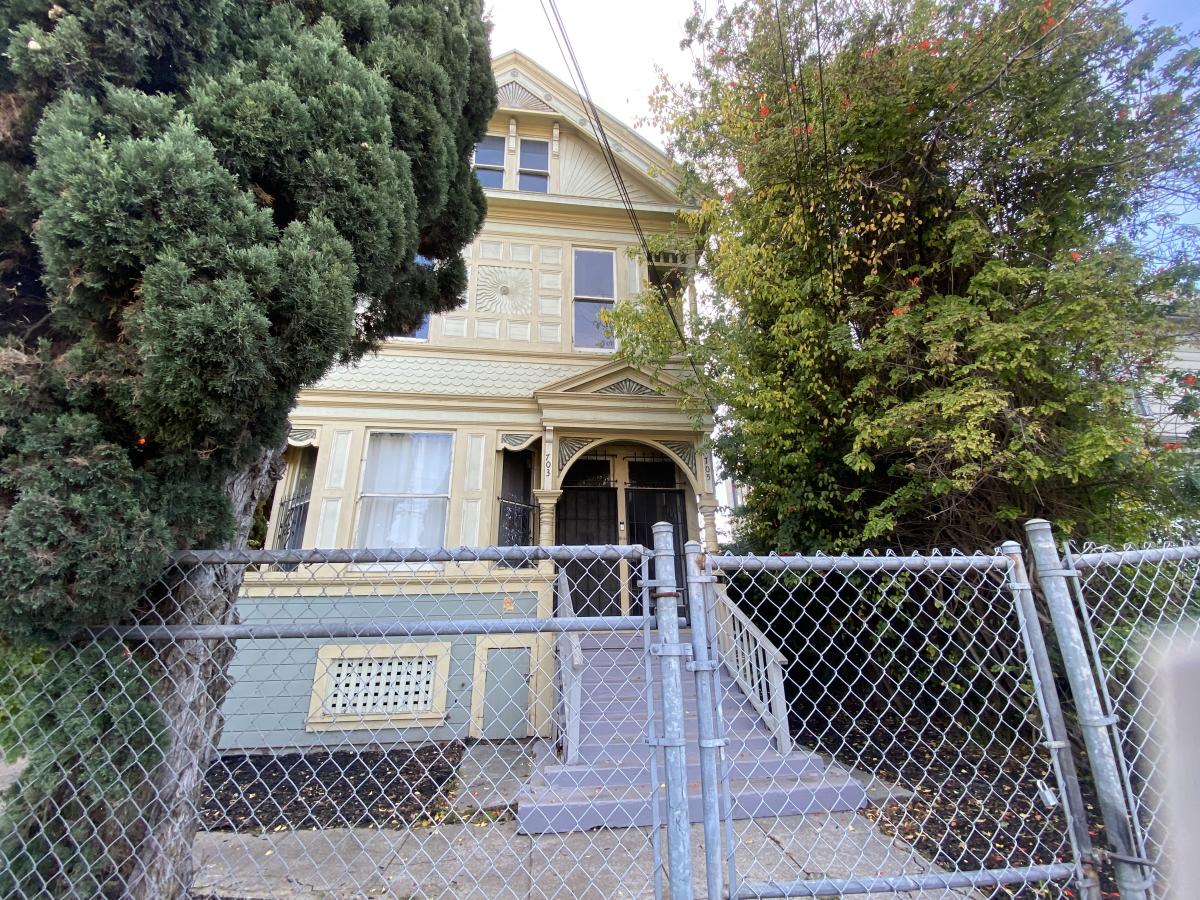
Delilah Beasley was a pioneering woman who came to California in 1910 and became the first African American woman to be published regularly in a major metropolitan newspaper, the Oakland Tribune. She would publish “The Negro Trailblazers of California” in 1919. This book chronicled the trials and tribulations of Blacks during the Gold Rush and into the early 20th century.
Champions for Humanity Monument
1900 Rashida Muhammad Street/19th & Telegraph, Henry J. Kaiser Park
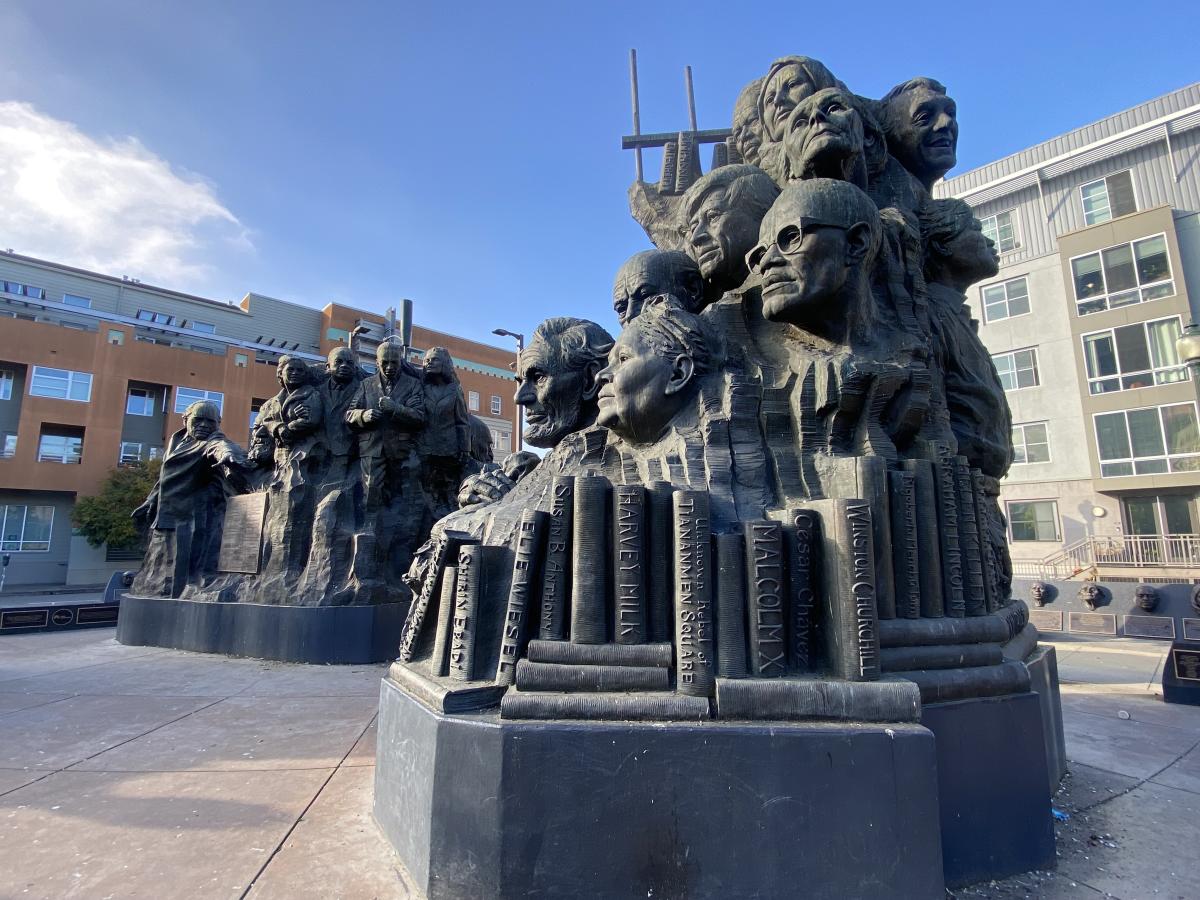
This larger-than-life monument depicts 25 culturally diverse role models who have made significant contributions toward global peace, freedom, and human rights over the past 150 years. This amazing sculpture was cast in 60,000 pounds of bronze, standing 31 feet high and 52 feet long featuring notables such as Ruby Bridges, Maya Angelou, Martin and Coretta Scott King, Cesar Chavez and Nelson Mandela.


San Francisco
William Alexander Leidesdorff Statue
One Leidesdorff Place, 344 Pine St, San Francisco
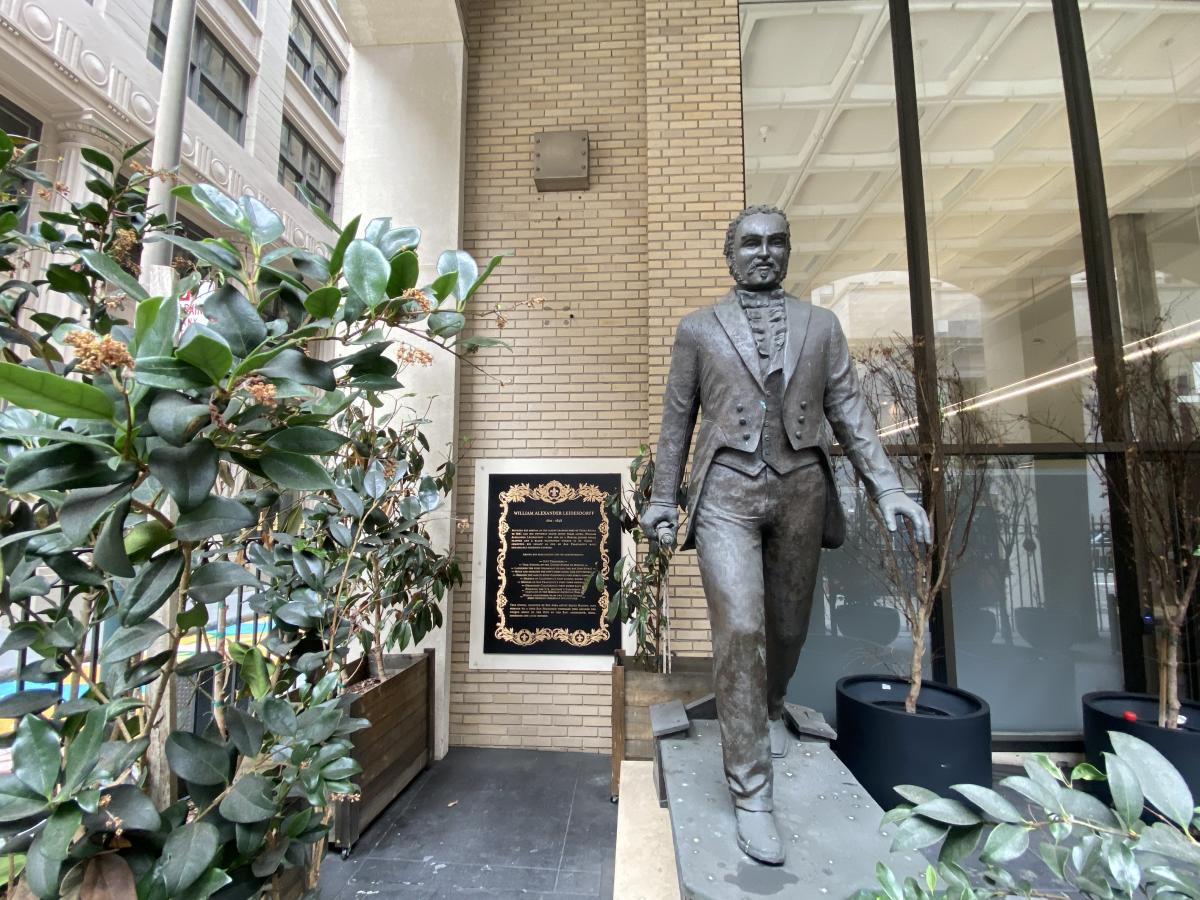
Of Danish-Jewish-African descent/heritage, William Alexander Leidesdorff was the country’s first Black millionaire. One of the original founders of San Francisco, Leidesdorff established the city’s first hotel, and was active in civic life, which included serving as town treasurer and donating land to create the first public school in California, and even sat on the state’s first school board.
Willie Howard Mays Statue
24 Willie Mays Plaza, Oracle Park, San Francisco
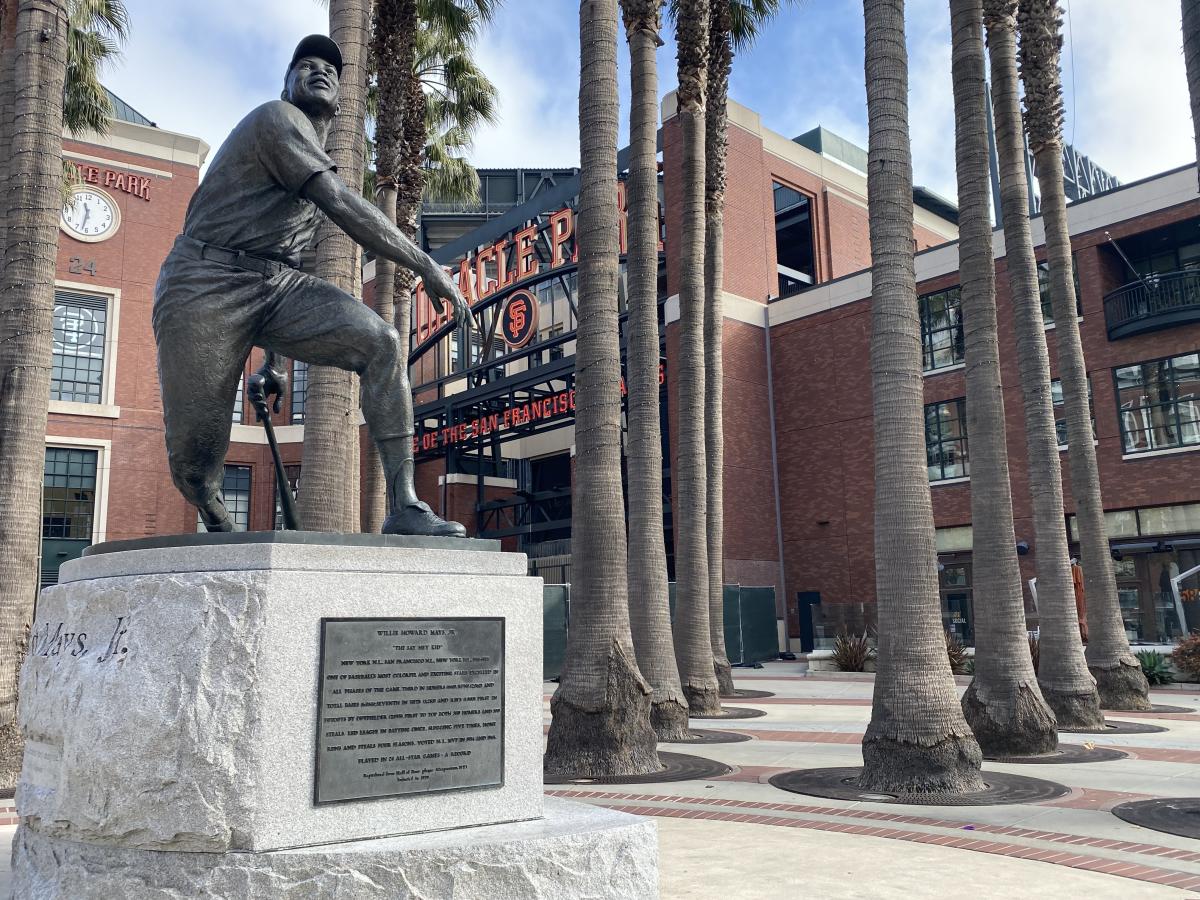
One of, if not the greatest, players in baseball history, the “Say Hey Kid,” Willie Mays wore a Giants uniform for 21 seasons, 1951 - 1972. The bronze statue commemorates Mays’ gargantuan swing given that he hit 660 home runs in his career.